Rotary Airlocks & Screw Conveyors designed for the demands of Biomass Power & Cogeneration Systems

Biomass power generation facilities handle some of the most challenging materials in power plant service, including hog fuel, wood waste, pellets, alternative biomass fuels, carbon, rubber, biomass ash to name a few. These materials vary widely in size, density, and flow characteristics, ranging from abrasive and powdery to fibrous, irregular, and clumpy, creating constant risk for material buildup, flow restriction, false air infiltration, and premature equipment wear. In biomass boiler feed and ash handling systems, these failures lead directly to downtime, reduced efficiency, and increased maintenance costs.

Precision Machine & Manufacturing (PMM) manufacturers heavy-duty rotary airlocks and screw conveyors engineered specifically for biomass power generation and cogeneration applications, delivering reliable performance under extreme abrasion, high temperatures, and continuous-duty operations, while supporting drop-in replacement and retrofit solutions that protect plant uptime.

  • Dedicated biomass power plants.
  • Cogeneration (CHP) Facilities.
  • Waste-to-energy biomass systems
  • Biomass boilers
  • Biomass Energy systems
  • Standard options include:

    • Abrasion-resistance.
    • Industry leading airlock functionality.
  • Application specific configurations:

    • Heat, moisture, abrasive materials
Perfect for Irregular & Oversized Biomass Fuels

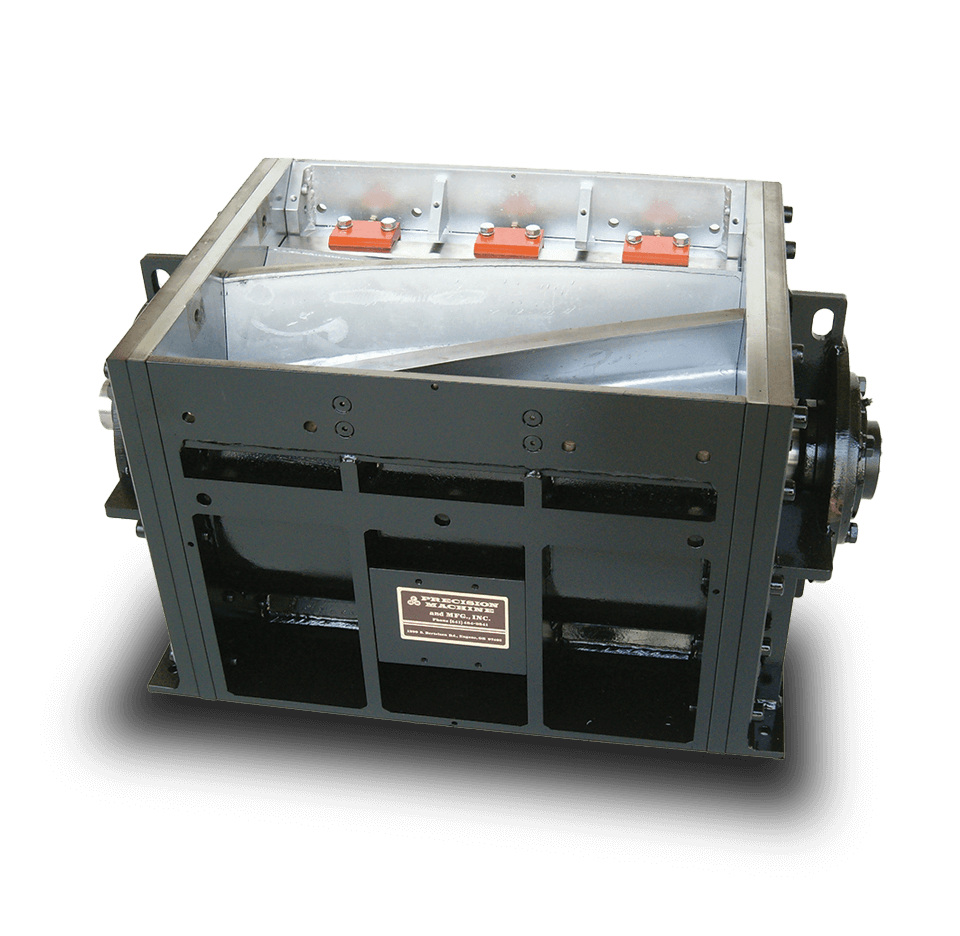
Rotary Airlock Feeder w/ Shear Knife

#
Designed to meter and airlock hog fuel, bark, wood waste, and alternative biomass fuels. The hardened tool steel shear knife reduces oversized material and helps prevent plugging before fuel enters pneumatic conveying systems, burners, or boilers.
Deliver large volumes of fly and bottom ash, carbon, lime

High-Capacity Rotary Airlock Feeder

#
An extremely heavy-duty, high-capacity rotary airlock built to move large amounts of abrasive, low-moisture fly and bottom ash under continuous, high-wear conditions.
Wet Sawdust, Resinous Fines, Variable Moisture

Self-Cleaning Rotary Airlock Valve

#
Engineered for sticky, cohesion-prone biomass and alternative fuels such as lignite coal, this self-cleaning rotary airlock prevents material buildup that leads to rotor fouling, flow restriction, and unplanned shutdowns.
Engineered for abrasive ash, dust & carbon handling

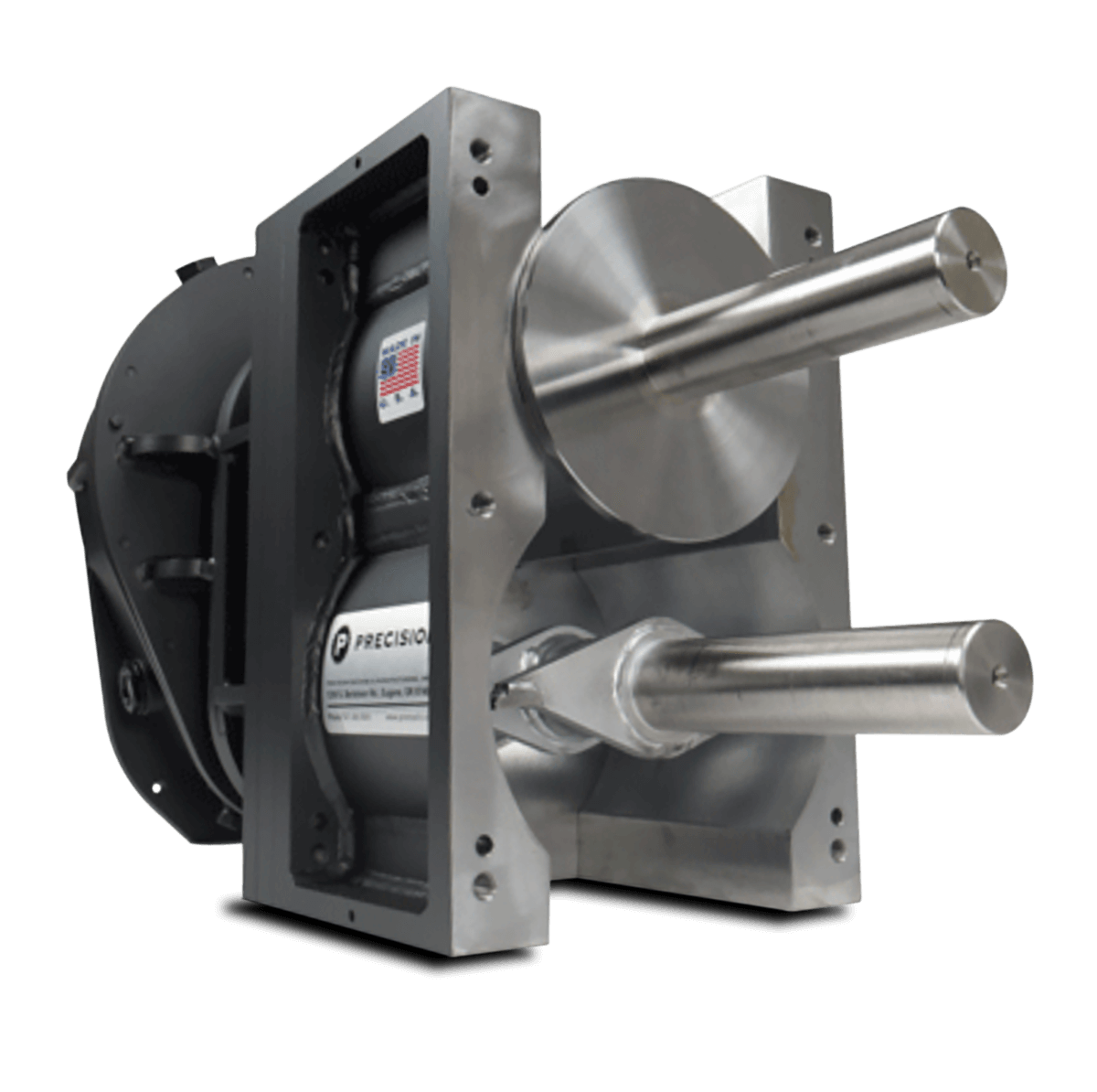
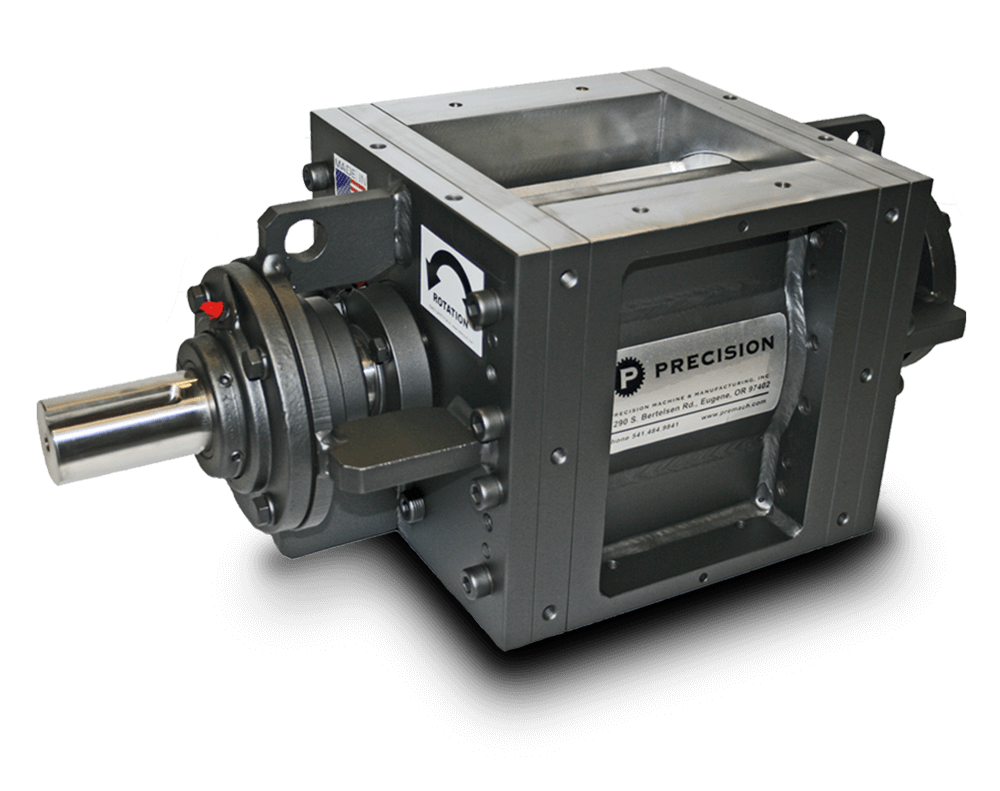
Extremely Robust Rotary Airlock Valve
#
The heaviest-duty rotary valve airlock in the industry, featuring ultra-tight rotor-to-housing clearances and abrasion-resistant materials. Ideal for fly ash, bottom ash, and fine biomass dust in high-wear applications.
Pellets, Uniform Chips, Fragile Granules

Side-Entry Rotary Airlock Valve

#
Engineered for elevated temperatures near biomass burners, boilers, and gasifiers. Designed with temperature-rated bearings, seals, and expansion allowances to maintain airlock integrity and consistent material flow.
Engineered for biomass fuel & ash handling

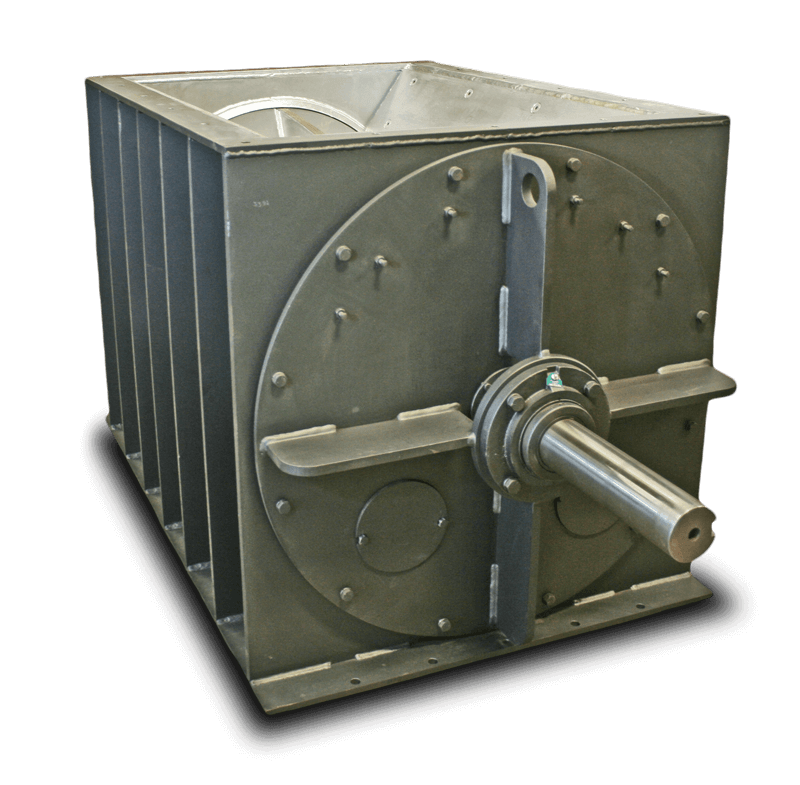
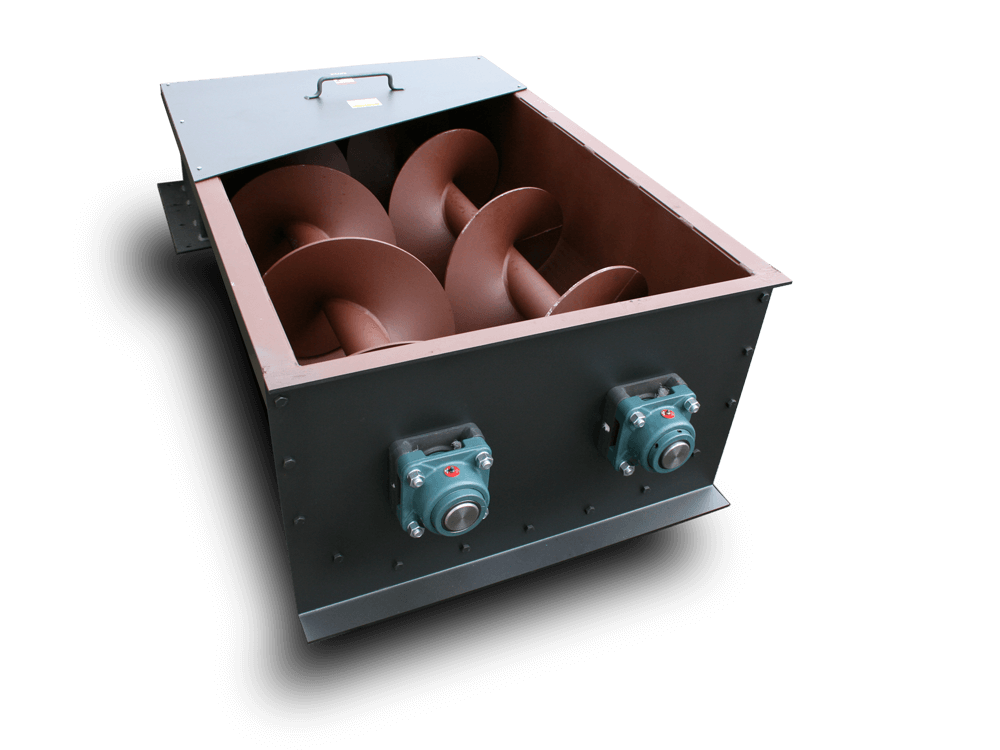
Extreme-Duty Screw Conveyors

#
Custom-engineered screw conveyors designed to handle abrasive biomass fuels and ash under continuous-duty conditions. Built for durability, containment, and long service life in biomass power plants.
PMM Specializes In Solving The Most Difficult Biomass Power & Cogeneration Bulk Material Handling Applications

HD Rotary Airlocks & Screw Conveyors:

Biomass Fuel Handling Systems

Biomass Fuel Preparation & Metering

Materials Handled:
Hog fuel, bark, wood chips, wood waste, agricultural biomass, alternative biomass fuels

Common Material Handling Challenges:
Bridging, inconsistent fuel size, moisture variation, plugging, and feed rate control.

Typical Applications:

  • Fuel metering to boilers and burners
  • Pneumatic conveying pickup points
  • Fuel reclaim and feed systems

Typical Equipment Used:

  • Rotary airlock feeders and screw conveyors.

Biomass Boiler & Burner Feed Systems

High-Temperature Fuel Feed Applications

Materials Handled:
Prepared biomass fuels, wood waste, alternative fuels

Common Material Handling Challenges:
High operating temperatures, pressure differentials, false air infiltration, wear.

Typical Applications:

  • Boiler feed systems
  • Burner fuel metering
  • Gasifier feed systems

Typical Equipment Used:

  • Rotary airlock feeders, high-temp rotary valve airlocks, and screw conveyors.

Fly Ash Handling Systems

Fine, Abrasive Ash Discharge Applications

Materials Handled:
Fly ash, fine ash, particulate residue

Common Material Handling Challenges:
Extreme abrasion, dust leakage, airlock integrity, continuous duty operation

Typical Applications:

  • Baghouse discharge airlocks
  • Cyclone discharge systems
  • Pneumatic ash conveying

Typical Equipment Used:

  • Extreme-duty and abrasion-resistant rotary valve airlocks, and screw conveyors.

Dust Collection & Air Pollution Control

Biomass Plant Dust & Particulate Control

Materials Handled:
Biomass dust, ash fines, particulate matter

Common Material Handling Challenges:
False air infiltration, dust containment,
pressure differentials

Typical Applications:

  • Baghouse discharge systems
  • Cyclone separators
  • Air pollution control equipment

Typical Equipment Used:

  • Heavy duty and abrasion resistant rotary valve airlocks.

Bottom Ash Handling Systems

 Hot, Abrasive Residual Material Handling

Materials Handled:
Bottom ash, clinker, residual ash

Common Material Handling Challenges:
High temperatures, large particle size, severe abrasion,
equipment wear

Typical Applications:

  • Boiler ash discharge
  • Mechanical ash conveying systems
  • Ash storage and reclaim

Typical Equipment Used:

  • High-temperature and abrasive resistant rotary airlocks and screw conveyors.

Cogeneration (CHP) Material Handling Systems

 Combined Heat & Power Fuel and Ash Handling

Materials Handled:
Mixed wood waste, shredded material, fines, biomass fuel, ash and contaminated wood.

Common Material Handling Challenges:
Continuous operation, variable loads, high temperatures, abrasion.

Typical Applications:

  • Fuel feed to CHP boilers
  • Ash handling and discharge
  • Pneumatic and mechanical conveying

Typical Equipment Used:

  • Rotary airlock feeders, high-temperature rotary airlocks, and screw conveyors.

Biomass Power Generation Material Handling – FAQ’s

Biomass power generation systems commonly use rotary airlock feeders and rotary valve airlocks depending on the application. Rotary airlock feeders are typically used for fuel metering into boilers, burners, or pneumatic conveying systems, while rotary valve airlocks are often installed at cyclone, baghouse, and dust collector discharge points to maintain airlock integrity. Heavy-duty, abrasion-resistant designs are essential due to the abrasive nature of the materials moving through biomass power plants.

Rotary airlocks maintain a pressure seal between process zones, preventing false air from entering biomass boilers, burners, and fuel feed systems. False air infiltration can reduce combustion efficiency, disrupt temperature control, and increase fuel consumption. Properly sized and engineered rotary airlocks ensure consistent material flow while preserving system pressure, making them critical components in efficient biomass power generation and cogeneration operations.

Biomass fuels such as hog fuel, bark, and wood waste are often irregular in size and highly variable. These applications commonly require rotary airlock feeders equipped with hardened shear knives to reduce oversized material and prevent plugging. Heavy-duty construction and robust inlet designs help ensure reliable fuel metering and uninterrupted operation in demanding biomass fuel handling systems.

High-temperature wood processing applications, such as biomass burners and cogeneration systems, require rotary airlocks engineered with temperature-rated bearings, high-temperature shaft seals, and material-specific internal clearances. For this reason, PMM is one of the few rotary airlock manufacturers who routinely manufacturers rotary airlocks for high-temperature material handling applications. Thermal expansion is carefully considered in the design to maintain proper rotor-to-housing clearances without contact or excessive leakage. These heavy-duty rotary airlocks provide consistent fuel metering, maintain airlock integrity, and prevent false air infiltration in elevated temperature environments.

Fly ash and bottom ash are highly abrasive materials that require abrasion-resistant rotary airlocks designed for extreme wear conditions. Design features such as a hardened rotor, thicker housings, abrasive-resistant surface treatment, and/or strengthened inlet areas can all be helpful in minimizing wear and extending service life.

These abrasion-resistant rotary airlocks are commonly used in biomass, cogeneration, and wood waste fuel handling systems, where durability, uptime, and consistent material flow are critical. To further reduce premature wear in high-abrasion applications, Precision Machine & Manufacturing (PMM) utilizes a U.S.-sourced, throughhardened steel alloy rated to 500 Brinell. This hardened alloy is used to manufacture the internal barrel (the primary material contact surface within the airlock) providing exceptional wear resistance and long-term performance in demanding fly ash and bottom ash material handling environments.

Yes. Rebuildable rotary airlocks are widely used in biomass power and cogeneration plants to extend equipment life and reduce total cost of ownership. Rebuildable construction is especially valuable in high-wear wood processing, biomass, and ash-handling applications where continuous operation and long-term reliability are essential.
A key feature of Precision Machine & Manufacturing (PMM) rotary airlocks is they are designed to be fully rebuildable. Airlocks can be rebuilt at the factory and returned with a new factory warranty, significantly lowering overall lifecycle costs compared to purchasing a new airlock each time. In addition, PMM maintains a full inventory of replacement wear components for immediate shipment, allowing operators to minimize downtime by replacing worn parts onsite.
The modularity of PMM’s rotary valve allows individual wear components, such as rotors, endplates, seals, bearings, wear plates, barrel sides, and end bells to be replaced onsite without having to replace the entire unit.